Nestled among Lesotho’s rolling highlands, the Matokele family’s village in Mafeteng District features stone rondavels, communal wells, and winding dirt paths where children play freely, herd cattle and sheep during the day, and families gather around evening fires.
Life here is deeply rooted in tradition but increasingly shaped by digital systems that provide essential social protection, including child grants, food support, and health services. As these services transition online, the risks also increase; personal data from families in remote areas is now stored on national platforms.
Without strong safeguards, this data could be exposed or misused, endangering not only privacy but also access to essential support those communities rely on. In areas where connectivity is limited and digital literacy is low, protecting children’s rights means making sure that technology benefits rather than harms.
When Matokele Ranteme receives a message from the government’s social assistance portal on her grandchild’s support status, she doesn’t think about technology or data. She thinks about food on the table, school fees paid on time, and the dignity of being seen by the system.
“We’re not just building technology, we’re building trust. That starts with asking: who might be left out? Who might be harmed?”
But behind that simple login is a quiet transformation. Lesotho is redesigning its digital public systems, beginning with those that impact children. With support from UNICEF and the Co-Develop Fund, the country is integrating child rights into the core of its digital infrastructure. The Lesotho National Information System for Social Assistance (NISSA) is a social registry where household information is stored, and households are categorized based on their vulnerability level.
The NISSA contains information on over ninety percent of all households in Lesotho. The purpose of this household information system is to help identify families in need of government support through social protection.
That means ensuring systems like NISSA are not only efficient but also fair, inclusive, and safe from the outset.
“We’re not just building technology,” says Bob Muchabaiwa, UNICEF Lesotho’s Chief of Social Policy. “We’re building trust. That starts with asking: who might be left out? Who might be harmed?”
The new safeguards help prevent children from being excluded due to lack of documentation, disability, or where they live. They also ensure that children’s personal data is protected from misuse. These changes are guided by the Universal DPI Safeguards Framework, which helps governments design systems that work for everyone, especially the most vulnerable.
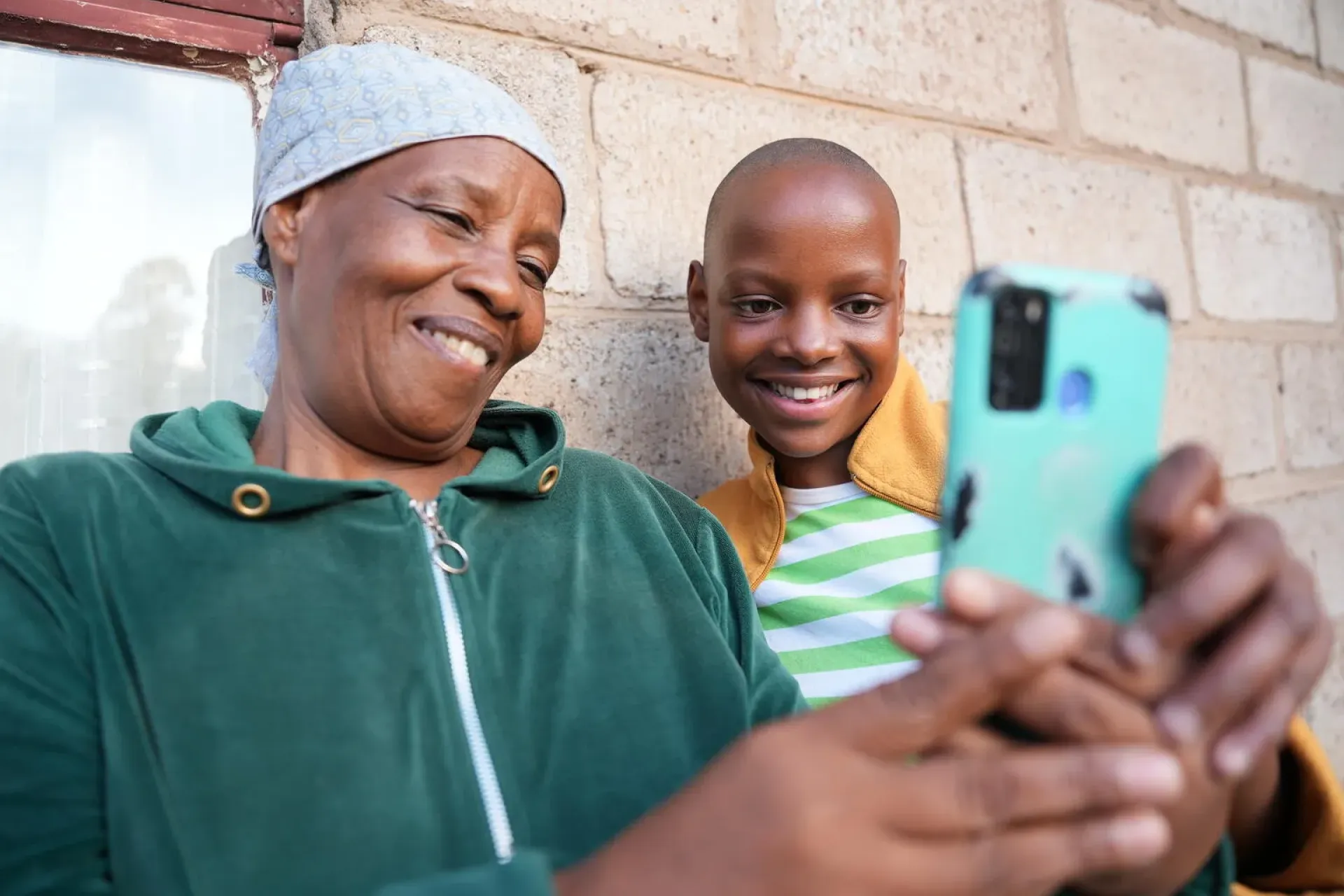
For Matokele, this means she no longer has to spend hours traveling to a government office to receive her grandchildren’s payments. “I can do it from my phone now,” she says. “And I know it’s safe.”
Her granddaughter Katleho is excited to be attending school now. “What I like the most about school is Science, Math, and English. When I grow up, I want to be a doctor,” she says with a smile.
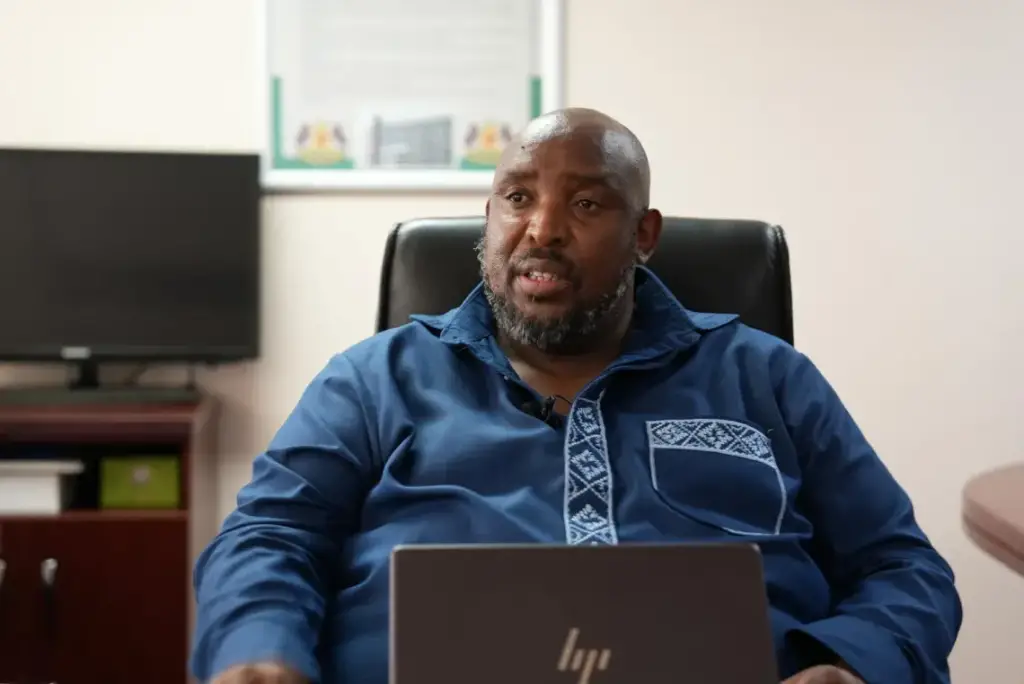
“We’re focusing on a holistic approach,” says Mr Kanono Ramashande, the Principal Secretary in the Ministry of Communication. “UNICEF is one of our key partners, especially when it comes to DPI. As the ministry, we are not shy to admit that DPI was introduced to us by UNICEF. Even though we are now taking it further by conducting pilots, we are also working closely with UNICEF on DPI safeguards. We will therefore collaborate with them to establish our own local DPI safeguards framework,” he adds.
UNICEF’s Chief of Social Policy concludes: “The DPI Safeguards programme is a blueprint for ethical digital development. It’s about building systems that don’t just deliver services but deliver fairness, dignity, and protection.”
“Digital transformation must be inclusive from the start. These safeguards ensure that no child is left behind, and that families can access services with confidence and dignity.”
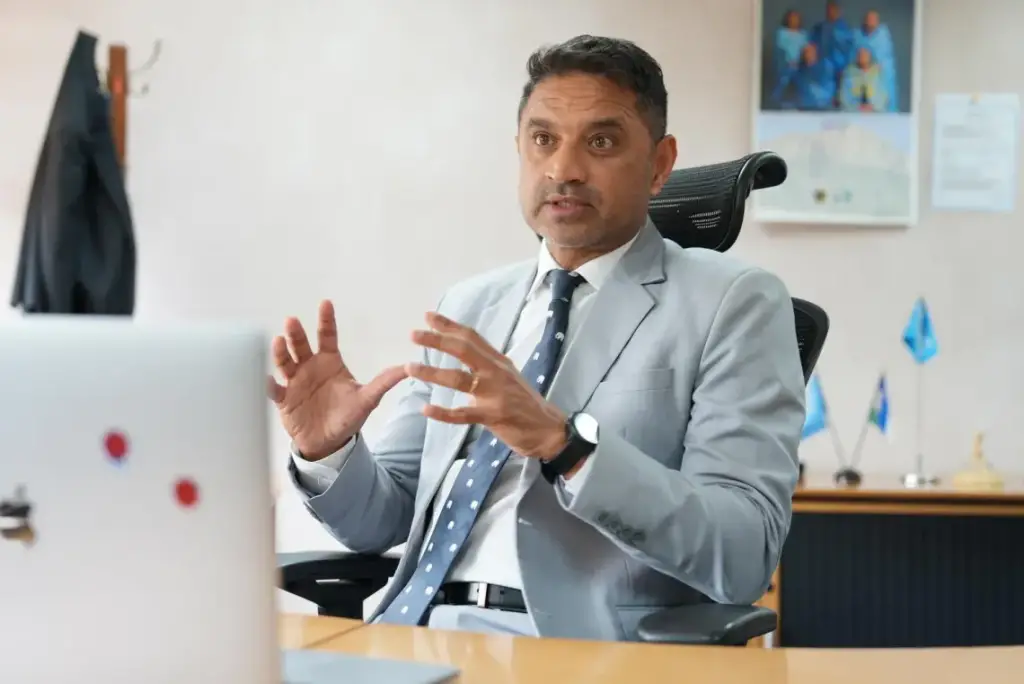
Deepak Bhaskaran, UNICEF Representative in Lesotho, adds: “Digital transformation must be inclusive from the start. These safeguards ensure that no child is left behind, and that families can access services with confidence and dignity.”
Lesotho’s approach is already inspiring other countries in the region. By putting children at the centre of digital design, it’s proving that technology can be a bridge, not a barrier to opportunity.
Watch the video and learn how UNICEF and the Government of Lesotho are building stronger systems for children.